Summer in the Treasure Valley is prime season for exterior painting, but it is also the season most likely to cause problems if a job is scheduled or executed poorly. Boise’s combination of intense afternoon sun, low humidity, and wide daily temperature swings asks more of paint than people expect. Understanding those conditions is the difference between a finish that holds up for a decade and one that starts chalking or peeling in three years.
What a Treasure Valley Summer Actually Looks Like
From late June through August, Boise routinely sees afternoon highs between 90 and 100 degrees, with stretches in the triple digits becoming more common. Overnight lows often drop into the 60s, which means a south-facing wall can swing more than 40 degrees in a single day. Relative humidity frequently sits below 25 percent in the afternoon.
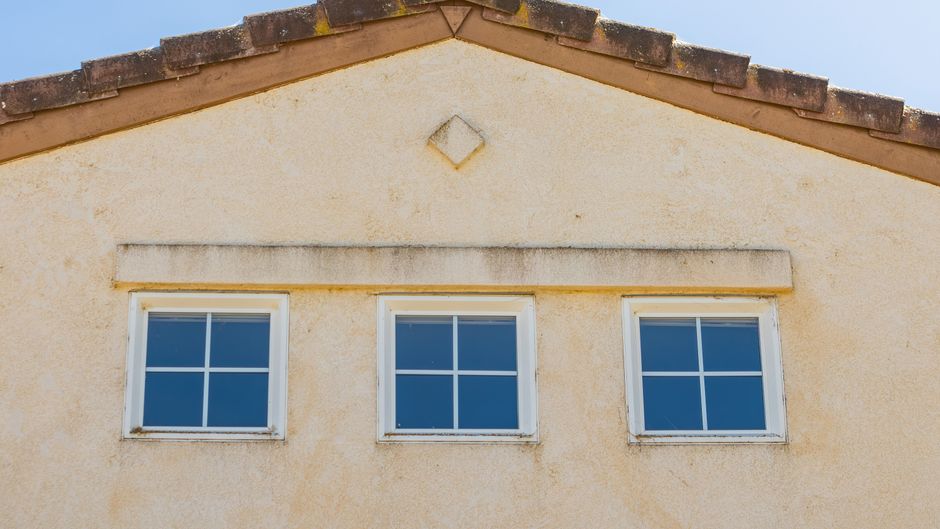
Those numbers matter because most exterior paints are formulated for a relatively narrow application window. The label often lists an ideal range of 50 to 85 degrees on the substrate, not the air. On a 95-degree day in Meridian or Nampa, a sun-baked stucco wall can easily reach 130 degrees by mid-afternoon.
Why Heat and UV Are Hard on Paint
When paint goes on a surface that is too hot, the solvents and water in the coating evaporate before the resins have time to flow together and bond. The result is a film that looks fine for a season but lacks the durable, knitted structure a properly cured coat develops. Common symptoms include lap marks, premature chalking, loss of sheen, and adhesion failure at the edges of trim and siding.
UV exposure is the other half of the problem. Boise sits at about 2,700 feet of elevation, and our clear summer skies deliver more ultraviolet radiation than lower, hazier climates. UV breaks down the binders in lower-grade paints and fades pigments, especially deep reds, blues, and dark browns. South and west elevations take the brunt of it.
The Best Times of Day to Paint
The practical answer is to chase the shade. On a typical July day, the safest application window is from about 7 a.m. until the sun moves directly onto the wall being coated. Painters working a house in Eagle or northwest Boise will often start on the west side at sunrise, move to the north as the morning warms, and finish the east-facing walls in the late afternoon once they are back in shade.
Late-evening application can be tempting because temperatures are dropping, but it carries its own risk. If the paint is still curing when overnight temperatures fall below 50 degrees, or when dew sets in, you can get surfactant leaching, a streaky residue that shows up the next morning. Most quality acrylics need at least four to six hours of dry conditions above 50 degrees to cure properly.
Picking the Right Window in the Season
For exterior painting in Boise, the shoulder seasons often produce the best results. Mid-May through late June and early September through mid-October offer milder temperatures, lower UV intensity, and fewer wildfire smoke days. Smoke is worth mentioning: heavy particulate in the air can settle onto wet paint and contaminate the finish, especially during August inversions.
That does not mean July and August are off-limits. It means the crew has to plan around the weather rather than push through it. A reputable painter will reschedule a hot afternoon rather than spray a wall at 110 degrees and hope for the best.
Product and Prep Choices That Matter More in Heat
Not all paint is built for our climate. Look for 100 percent acrylic exterior coatings with strong UV-resistant pigments and a manufacturer-stated application range that includes hot, dry conditions. Some product lines are specifically formulated for high-temperature application and extend the open time so the paint can level properly before flashing off.
Prep work also gets more important in summer. Power washing should happen at least 24 hours before painting to allow siding to dry fully. Caulk and patching compounds need to be rated for high temperatures, since a bead that cures in 90-degree sun will shrink differently than one applied in spring. Priming bare wood is non-negotiable; raw cedar or fir left exposed to Boise summer sun can lose its ability to hold paint within weeks.
What to Ask Before You Book a Summer Repaint
If you are getting bids for exterior work this summer, ask each contractor how they plan to schedule the job around the heat. A good answer will mention working with the shade, monitoring substrate temperature rather than just air temperature, and avoiding application during the hottest part of the afternoon. Ask which product they are specifying and why. Ask how they handle smoke days and unexpected heat waves.
Vague answers about “starting early” are not enough. The crews that consistently deliver long-lasting finishes in the Treasure Valley think about the weather the way a farmer thinks about irrigation: constantly, and in detail.
A Practical Next Step
If your home’s exterior is due for repainting in the next year, the best thing you can do right now is walk the perimeter and note which elevations show the most wear. South and west walls usually need attention first. Take a few photos in good light, measure the rough square footage if you can, and get on a reputable painter’s schedule early. Quality crews in Boise, Meridian, Eagle, Nampa, and Caldwell book out weeks in advance during peak season, and the homeowners who plan ahead get both the better time slots and the better results.
Featured image: Photo by Rajesh S Balouria on Pexels.