Concrete floors take a beating. Between vehicle traffic, dropped tools, road salt tracked in from winter driving, and the temperature swings we see across the Treasure Valley, a bare slab tends to stain, dust, and crack faster than most homeowners expect. Polyurea concrete floor coatings have become one of the most reliable ways to protect that surface — and they’ve largely replaced traditional epoxy for garage floors in many Boise homes.
Here’s a practical look at what polyurea is, where it fits, and what to expect during the process.
What Polyurea Actually Is
Polyurea is a fast-curing elastomeric coating originally developed for industrial and commercial use — think truck bed liners, water tanks, and bridge decking. Applied to concrete, it forms a flexible, chemical-resistant film that bonds tightly to properly prepped substrate. Unlike rigid epoxies, polyurea flexes slightly with the slab, which helps it resist cracking as concrete expands and contracts with seasonal temperature changes.
Most residential systems use a polyurea basecoat, a broadcast of decorative vinyl flakes for texture and appearance, and a polyaspartic topcoat for UV stability and abrasion resistance. The full system is typically thinner than epoxy but significantly tougher.
Where It Makes Sense
Polyurea coatings aren’t just for garages. In and around Boise, we see them used on:
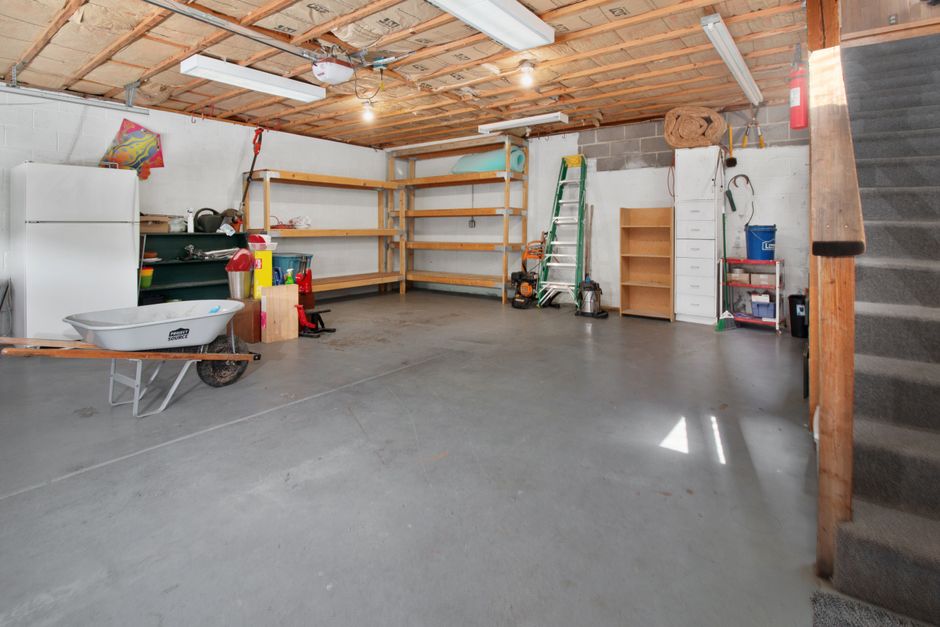
- Residential garage floors, including multi-bay and workshop spaces
- Basement floors and utility rooms
- Patios, covered porches, and walkways
- Commercial shops, warehouses, and service bays
- Kennels, breezeways, and mudrooms
Because the topcoat is UV stable, polyurea holds its color outdoors — a real advantage over standard epoxy, which tends to yellow in sunlight.
Why Prep Matters More Than the Coating
The single biggest factor in whether a floor coating lasts is surface preparation. Polyurea bonds mechanically to concrete, meaning the slab needs a specific profile — usually achieved through diamond grinding — so the coating can grip. Cracks and pitting are repaired, control joints are addressed, and the surface is vacuumed to remove all dust before any product goes down.
Coatings applied over sealed, painted, or improperly prepped concrete will eventually delaminate, no matter how good the material is. This is the main reason DIY kits and rushed installs fail within a year or two.
Cure Time and Downtime
One of polyurea’s biggest advantages is speed. Most systems cure fast enough to allow foot traffic within hours and vehicle traffic in about 24 hours, depending on temperature and humidity. For a typical two-car garage, the entire installation is often completed in a single day. That’s a meaningful difference from traditional epoxy, which can require several days of downtime between coats.
What to Expect From the Finished Floor
A properly installed polyurea floor is easy to clean, resistant to oil, gasoline, brake fluid, and most household chemicals, and comfortable to stand on. The flake broadcast adds slip resistance and hides minor imperfections in the slab. With reasonable care — sweeping, occasional mopping, and wiping up spills — the coating should perform well for many years.
It’s worth noting that no coating is indestructible. Dragging heavy metal objects, using aggressive solvents, or leaving hot tires parked on a fresh install before full cure can all cause issues. A good installer will walk you through care recommendations specific to your floor.
Considering a Coated Floor?
If you’re weighing options for a garage, shop, or commercial space in the Boise area, we’re glad to walk you through the differences between systems, look at your slab, and give you an honest assessment of what will hold up. Reach out to Natural Born Painters to schedule an on-site estimate.