Thinking about a fresh coat of paint? A little clarity up front makes the whole process smoother. While interior and exterior projects share a common goal—make your place look great—their priorities and preparation can differ. Below is a plain-English, non-technical guide to the high-level differences so you can plan with confidence.
Start with Goals: Comfort Inside, Protection Outside
Indoors, most homeowners want spaces that feel calm, clean, and cohesive. That often means thoughtful color updates and crisp lines—changes you’ll notice every day. Outside, the paint still needs to look great, but it also has a weather job to do: hold up to sun, wind, and precipitation that the Treasure Valley is known for. How you prep the surface and the sequence of steps can reflect those different goals.
Interior Painting: Clean Lines, Color Updates, Everyday Durability
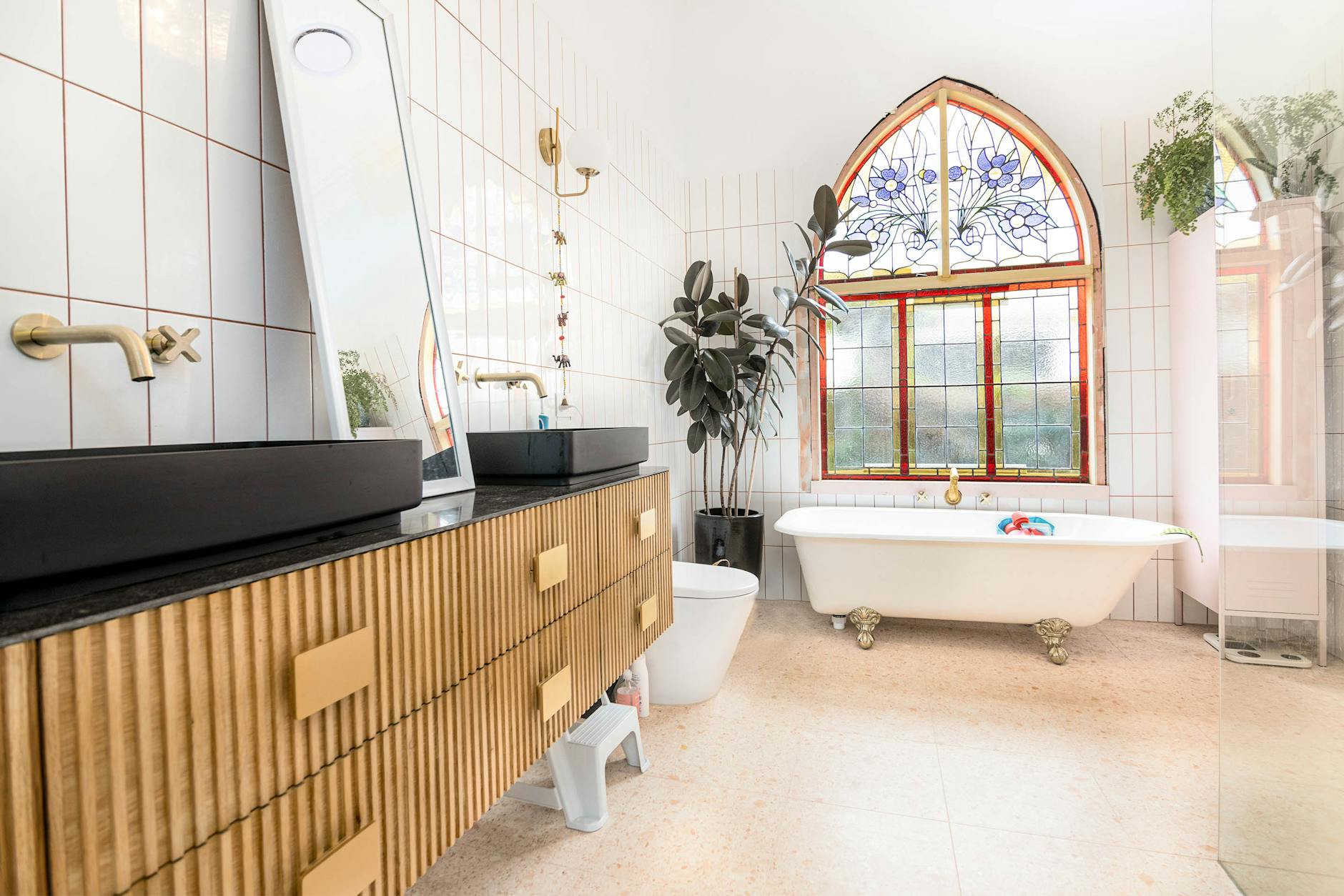
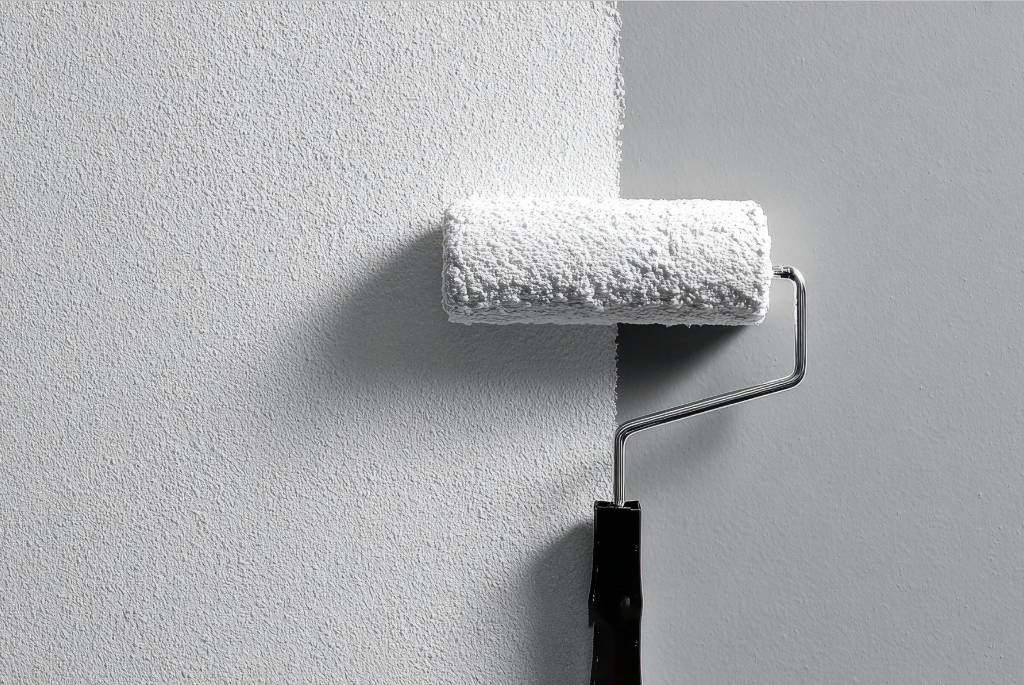
Interior projects typically focus on surface preparation, color selection, and a polished finish. A good interior result depends on a clean, sound surface and careful attention to transitions and trim—so edges read crisp and rooms feel complete. If you’re planning a room-by-room refresh or want help aligning a color palette across an open floor plan, you can get a feel for what our team emphasizes on the Interior Painting page.
Exterior Painting: Prep Protects the Finish
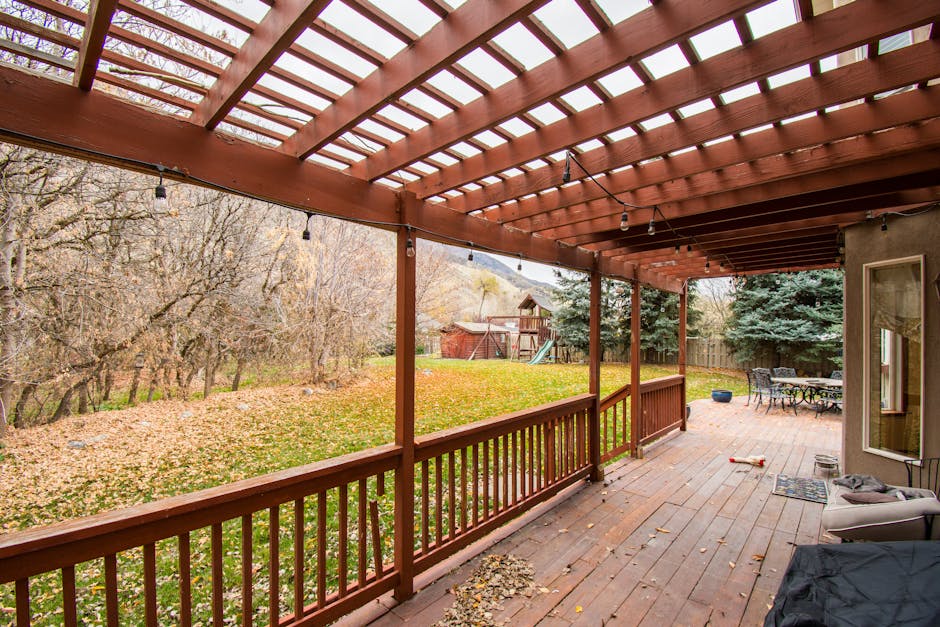
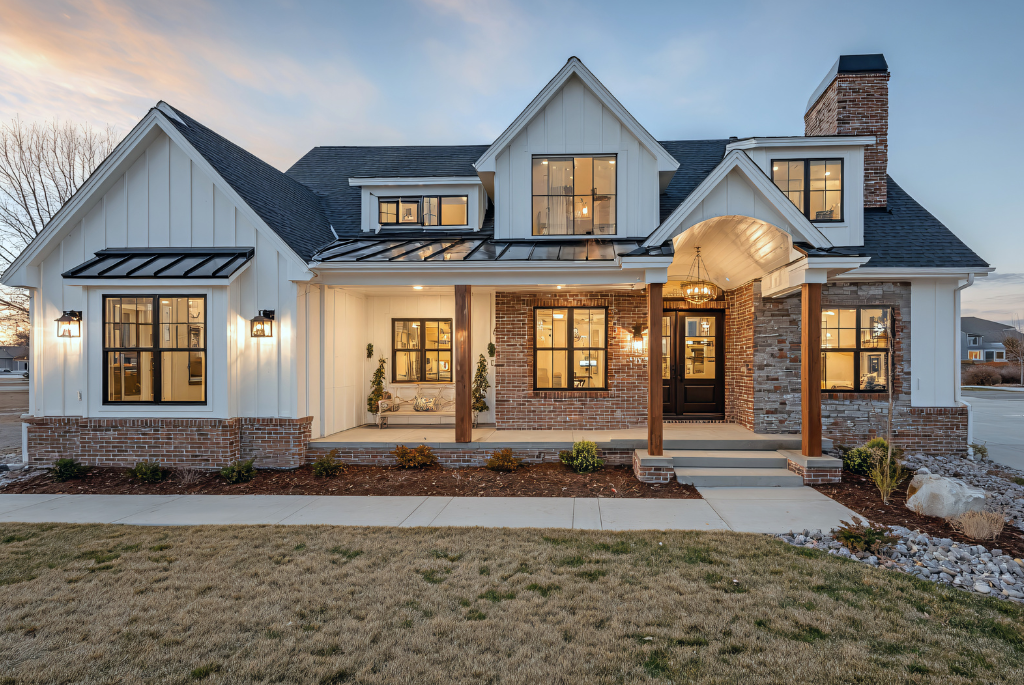
Outside, preparation is everything. A professional exterior job usually begins with a clean surface so new paint can adhere properly. It moves through scraping and minor repairs, priming where needed (especially on exposed or bare wood), and careful caulking at joints, seams, and trim before the finish coat goes on. In general terms, that approach supports a result that looks sharp today and stands up better to the elements over time.
Why Cleaning, Scraping, Priming, and Caulking Matter
Cleaning removes dust and debris that can undermine adhesion. Scraping eliminates loose or bubbling paint so you’re not applying a new coat over a weak layer. Priming bare or repaired areas gives the finish coat something reliable to bond to. And caulking—especially around windows, doors, and trim—helps close gaps where air and moisture can travel. Taken together, these steps set the stage for a finish that looks great and wears well.
Color Considerations, Kept Simple
Color behaves differently indoors and outdoors. Inside, you’ll see the color next to furniture, floors, and lighting. Outside, the same hue needs to play nicely with roofing, masonry, landscaping, and shifting light throughout the day. If you’d like help narrowing choices, our team can talk through high-level options and how they might read on your home’s surfaces.
Timing & Expectations (General)
Most interior projects can be scheduled around your routine with a plan that keeps daily life moving. For exterior work, weather and daylight influence timing, and a well-organized prep-to-finish sequence keeps the job efficient. Either way, a clear plan up front—and a team that communicates—helps everything run smoothly.
Where to Start
If you’re early in the process, browsing examples and skimming service pages is a low-effort way to get oriented. Our Interior Painting and Exterior Painting pages outline how we approach prep and finish so you know what to expect. When you’re ready, we’ll put together a straightforward plan tailored to your home.
Explore Related Pages
Interior Painting |
Exterior Painting
General Educational Resources
- EPA: Renovation, Repair and Painting (lead safety overview)
- EPA: VOCs and Indoor Air Quality (general)